-
My experience design manifesto

My experience design manifesto is based on the idea of experiences being floopy, gloopy things suspended in the flowing stream of our lives. Picture life as a river, and imagine cleaning a paintbrush in it (which isn’t very environmentally friendly and the imaginary version of yourself should feel ashamed of being bullied into it by…
-
Linked data – a beginners guide
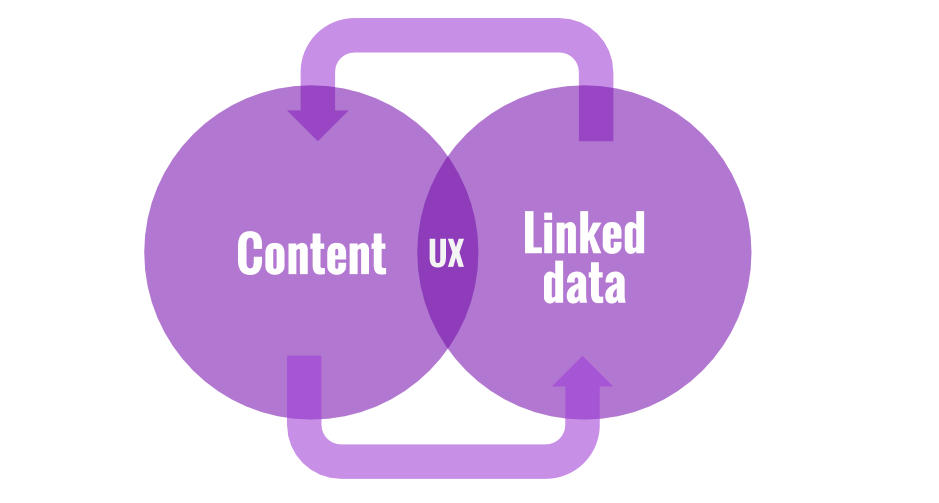
[blockquote]”Linked data is the superstructure over which content is stretched”[/blockquote] I said this once, but I didn’t really elaborate on this definition. I moved quickly onto the benefits of Linked data. In this post I’m going to try to go right back the basics and describe exactly what linked data is. So what is linked…
-
User experience architect or Information architect?
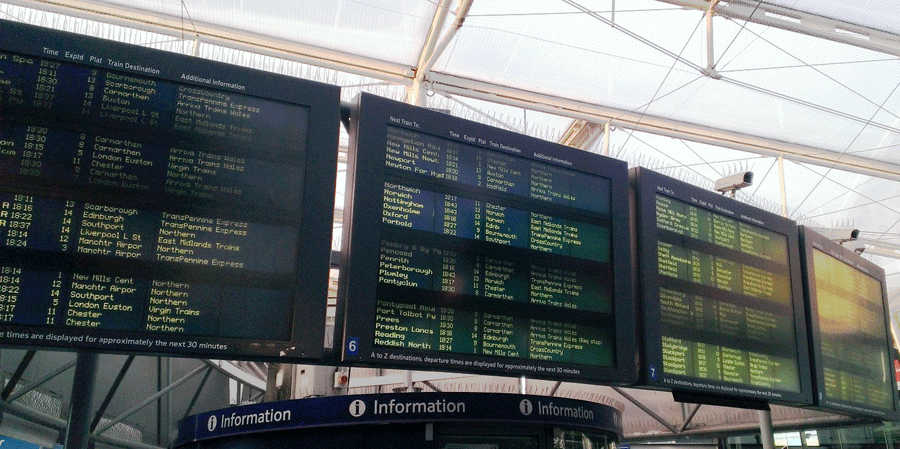
Something about me changed recently. My job title changed and I went from being an Information architect (IA) to being a User Experience architect (UXA). But what’s in a name? I think words matter. Good words become invisible, when the symbol so closely resembles the reality it stands for that translation becomes unconscious and things…
-
Heuristics isn’t a dirty word
Jargon annoys me. Especially when someone tries to “namify” a process in a way that seeks to own and obscure the method rather than reveal it. I’d love to find it funny and be flippant that professional practise gets obscured by jargon. But too often giving a name to a process implies that the thing…
-
What did linked data ever do for us anyway?
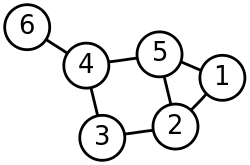
I’ve recently written about navigation, user journeys and content, and I haven’t really mentioned linked data all that much. That’s a shame. Because linked data is the super-structure over which content is stretched and experiences flow. Linked data can power the online journeys of the future. It can switch our taxonomic thinking into ontological thinking.…
-
What’s navigation anyway?
Navigation is a funny old thing. Maybe it’s because it’s both a noun and a verb. Navigation is the action we take as we traverse the web. It’s also the furniture that enables us to make those journeys. I’m currently interested in the different types of navigation (noun). Navigation, in the form of menus, buttons,…
-
Unexplored trajectories in experience design
Experiences provoke responses as you move through them. They’re interactive and the level and type of interaction fluctuates. Designing experiences asks us to think about this ebb and flow, consider the categories of interaction and engineer an experience that will channel and shape the user response. We afford experiences. But users create them. Forrest Gump…
-
Invisible art, intrinsic motivation

10,000 hours Imagine waking up at 8am practising something for 12 hours, going to bed, getting up in the morning and doing it all over again. Imagine eating soup, wearing the same pants everyday* and avoiding all distractions. Imagine that you take weekends off, but use them to visit your Aunty Doris, who you hate.…
-
You don’t get anything for free
-
Turtles all the way down

-
The third way
-
Learning online
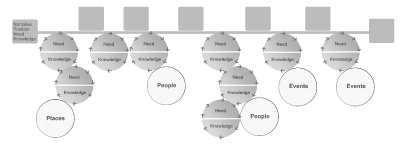
One size fits all? Motivation in learning can be enhanced by setting clear expectations and defining a direction of travel, creating a sense of where you are going and how far into the ‘ideal’ journey that you are. But the ‘ideal learning journey’ will vary depending on who you are. Learning has a lot to…
-
Places don’t exist
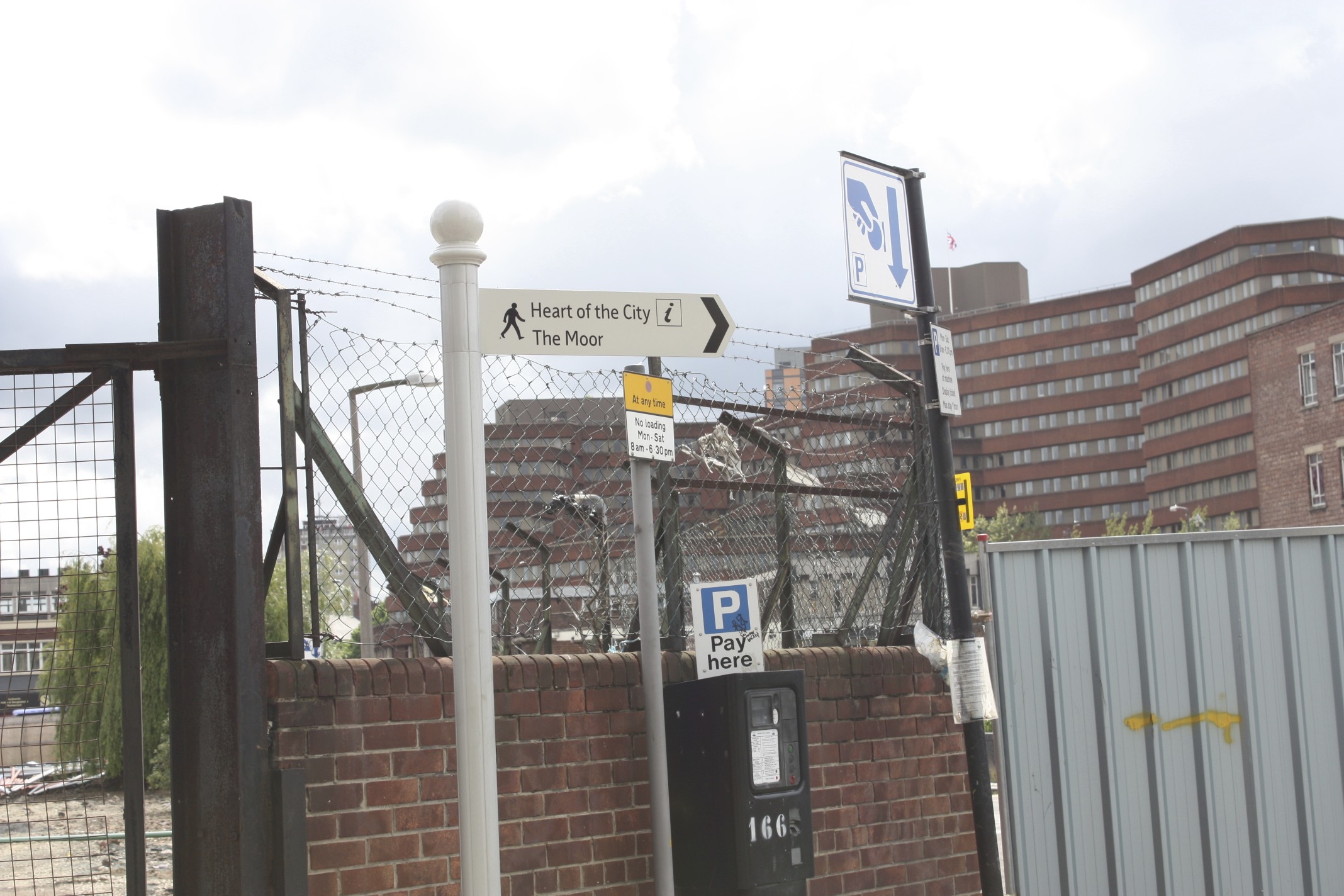
Cartographers can’t be trusted. It’s a controversial view (possibly), but I feel like they’ve always kept to the furtive fringes of society – happily knowing exactly where the fringes are – and they’ve done this for a reason. First off, maps are difficult to fold. Secondly and worse than that, they’re also full of lies.…
-
Learning and being curious
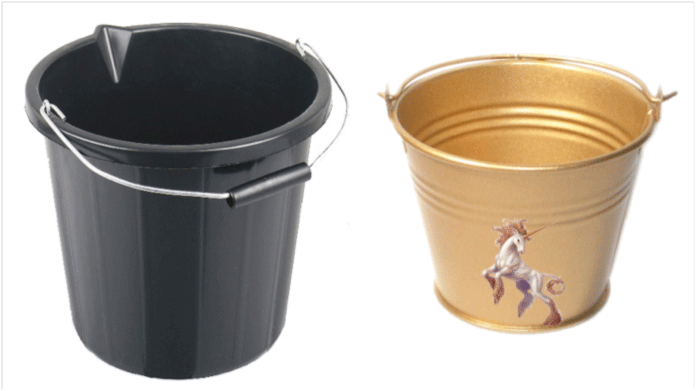
Curiosity killed the cat. Because I’m a dog person I was delighted. But as soon as we leave formal education, dog people and cat people alike, curiosity is probably the thing that’s going to drive most of our learning. That cat-killing compulsion will replace the person at the front of the class and take charge…