-
Concurrent information architecture

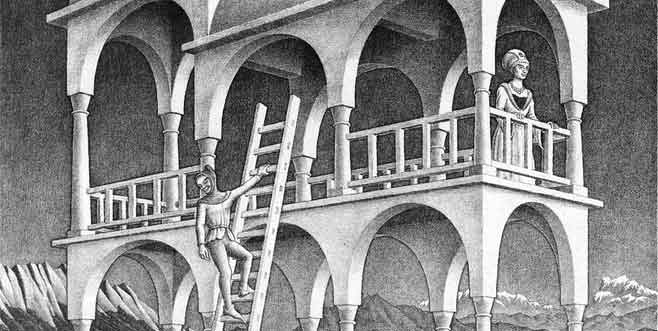
I often think of information architecture as providing ‘direction’ – it defines an axis along which an experience should flow. IA lays the foundation for a design – so it prescribes some of the shapes that will emerge as a product or service is designed and built. But I like to think it also helps to shape…
-
A Miracle at Christmas – UXMAS 2016

-
2016 – a year of highs, from one perspective
-
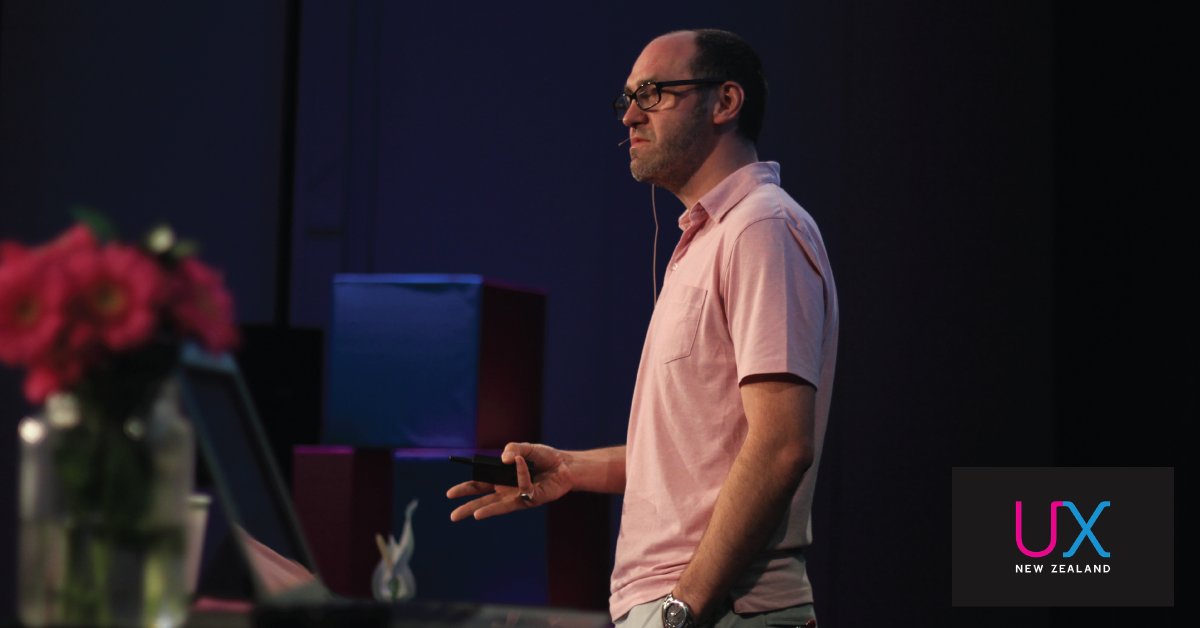
Mind the Gaps: Time and Space in Information Architecture (UX New Zealand 2016)
-
Design Sprints at the BBC – EuroIA 2016 – Answers

At EuroIA 2016 some of the BBC UXA team ran a workshop on Design Sprints. There were around 90 participants and lots of questions. We answered many during the workshop. But here are follow-up answers to all the questions that were asked. [This post will be updated over the next few days] EuroIA 2016 –…
-
Design Sprints at the BBC – EuroIA 2016 – Appendix
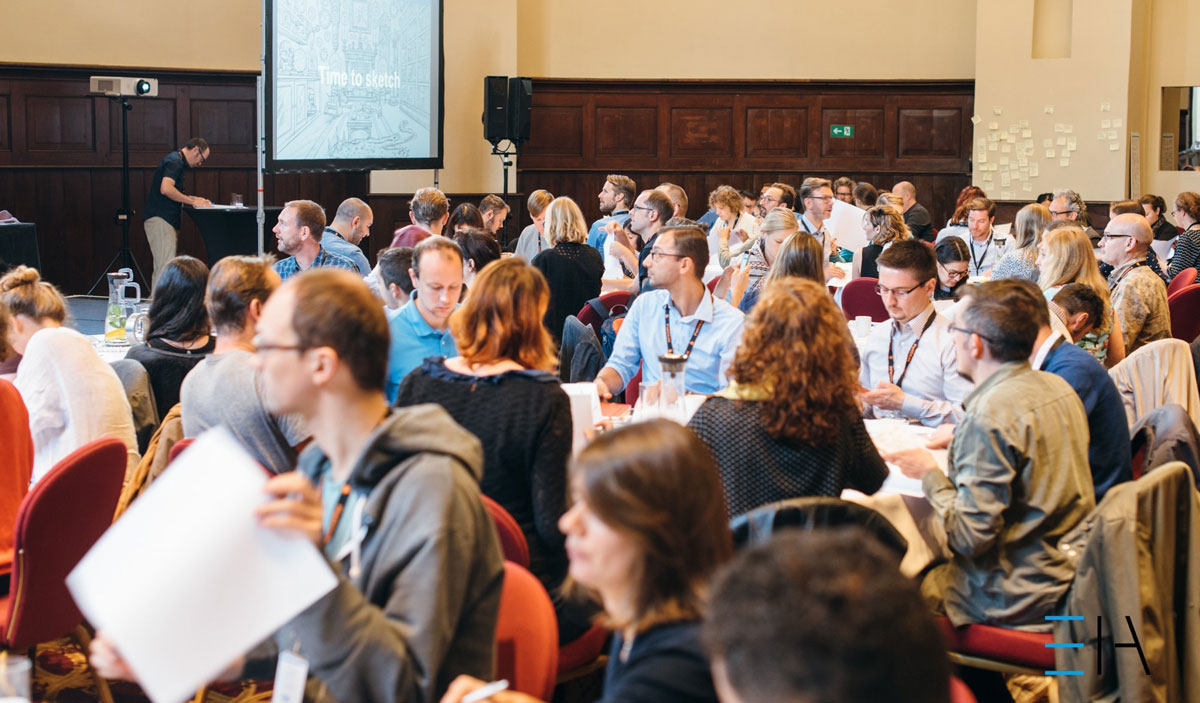
Design Sprints are a method of moving quickly but designing thoroughly. You innovate and you learn. You mix techniques, focus on different skills at different times and work quickly and collaboratively. At EuroIA we delivered a workshop that was all these things – Design Sprints at the BBC. This is one of two blog posts to…
-
Structure, movement and interaction – Three pillars of information architecture

We don’t make pages anymore. It’s odd. In the past the majority of my creative output focused on creating whole things. I made pages. I arranged them. I created structures made of information. I’ve always thought about the parts of the things I designed. I realised early that most digital things are really bundles of other, smaller…
-
Mind the gap – Taxonomies, tags and trajectories at the BBC
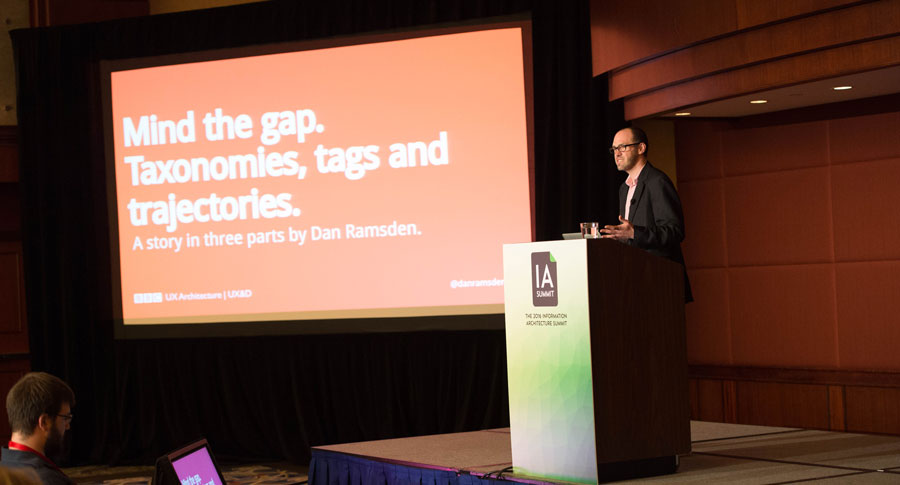
In this post I talk about the dangers of ignoring gaps, the importance of making the invisible stuff in projects more visible – assumptions, the connections and relationships, the dependencies and possibilities. I also discuss the structures we make and the ways we can understand and explain the experiences they contain.
-
When should you think like an architect?
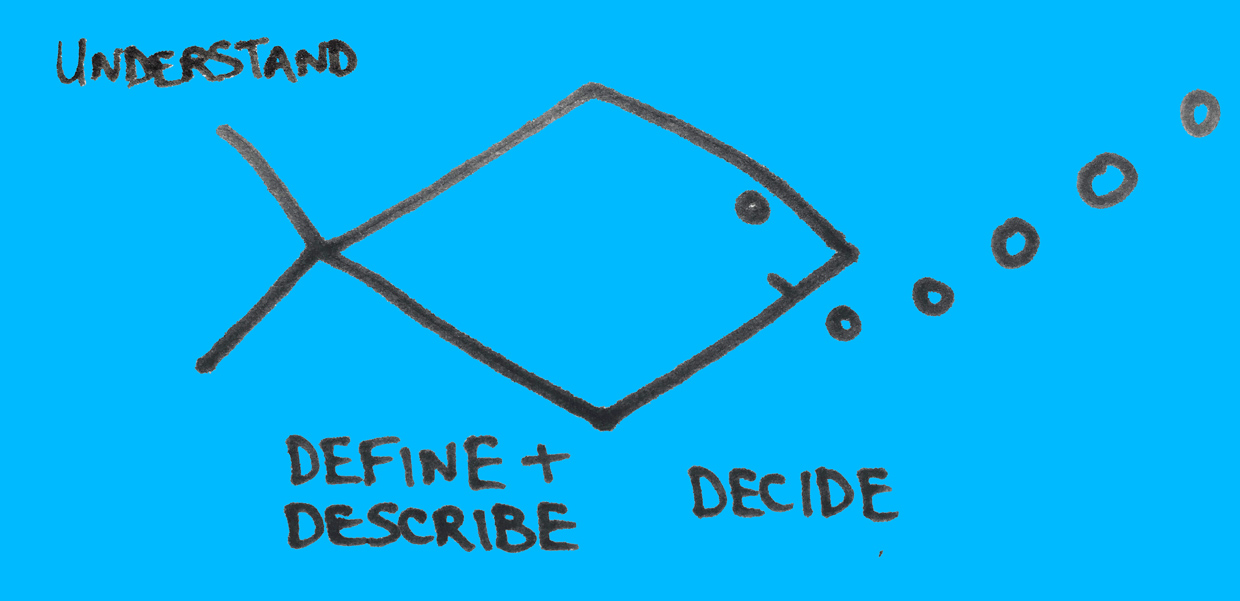
Eddie Obeng taught me about four “types” of projects: “Paint-by-numbers” projects are the kind you can approach with most confidence. You know what to do and how to do it. If you follow the method defined by the problem, you should succeed. But it’s hard to innovate. “Movie projects” occur when you’re less certain of…
-
‘Architecting’ is a word
-
Everyone makes IA – World IA Day 2015

-
Everyone makes IA – running a team away day
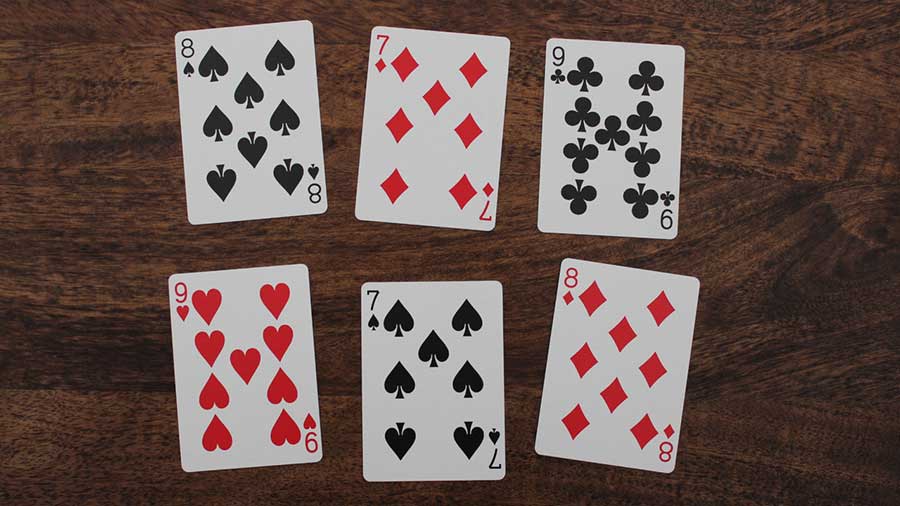
Before you read this post. Choose a card. Remember it. In December 2014, just before Christmas, the UXA team at the BBC took on the challenge of convincing 120 UX designers that they all make information architecture. IA is a specialism. But it also underpins all user experiences. I wanted to give UX designers the confidence to…
-
Reflective practice

-
Interact 2014 – Dan Ramsden
Design like you’re right. Test like you’re wrong. And be careful what you throw away. Interact London is a UX design conference which brought together leading speakers with talks that explored the importance of design and the roles that User Experience and Information Architecture play in today’s digital society. I chose to talk about reflective…