-
The design process and the scaffolding within
In a post last week, I shared a definition for design. I said: “Design is the translation of intent into experiments designed to generate value.” That post is about how information architecture is the stable set of rules which govern the relationships within a design to bring internal coherence. Information architecture means designs are easier…
-
Why is “information architecture” at the centre of the design process?
Let’s get two things straight — namely what I think “information architecture” and “design” are. I think both names suffer from a problem. They describe both an output and a process. The decisions that you make as you design or architect change the product or service that you’re working on. How you make the decisions is the process…
-
Teaming with the Virus, UX New Zealand 2020
-
Confidence, competence and curiosity
Here are about 3,000 words about the growth mindset, confidence, competence and imposter phenomenon. This is the culmination of thinking I’ve done about how to support myself and others to be more engaged and thoughtful about development and the things that stand in the way of growth. I presented some of these ideas at The…
-
Intentional architecture
-
Navigation, content and interactions – a model using intention and ability
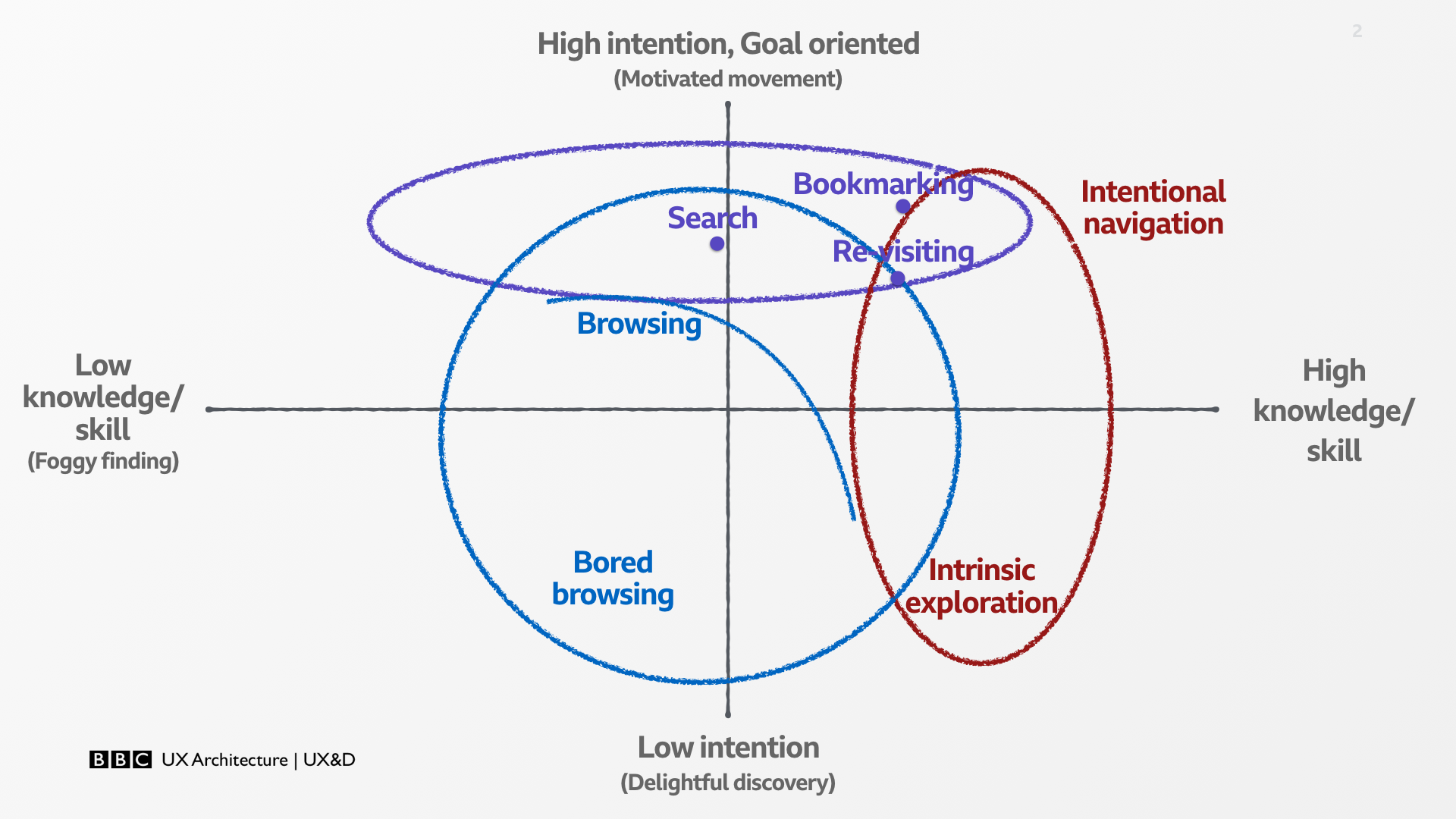
At the start of the year I wrote lots and lots and lots and lots about a range of behaviours connected to information seeking and navigation. The stories and sets of behaviours I described have been useful for teams thinking about the different modes and behaviours that users might flow through and between as they complete tasks and…
-
Reflective practice in information architecture, IA Summit 2017
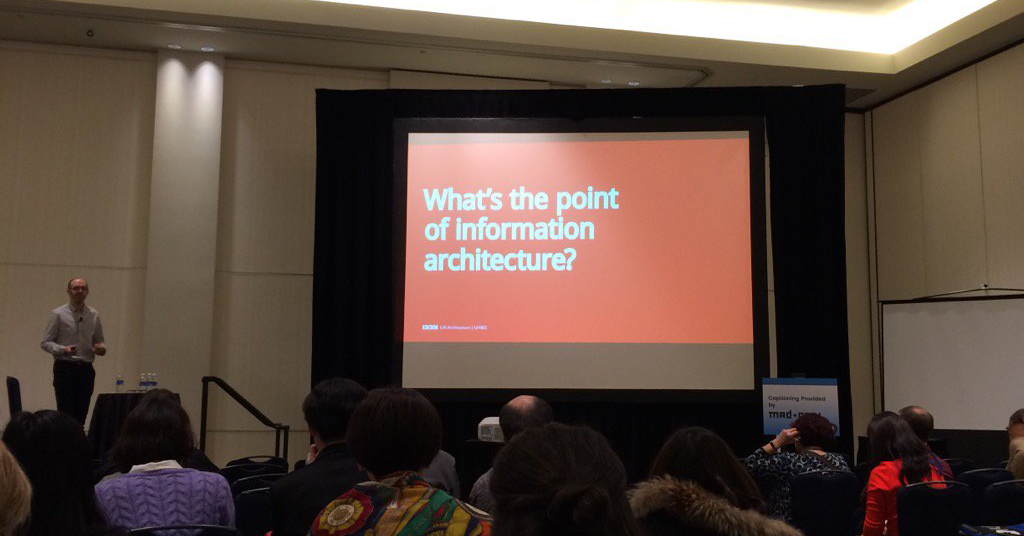
Photo credit Peter Morville Using the model At IA Summit in 2017 I shared a model that I’ve been using to consciously focus my attention on the challenges I face and the value I bring to teams and projects. The model is in the shape of a fish — a rough approximation of the divergent and convergent process I…
-
Behaviour sets and stories

The Moleagle is comfortable with zoomed-out strategic thinking and they love to dig down into the detail too. I’ve described how taking a zoomed out view as you consider a Primary mode of information seeking helps you understand the core of your information offer. Once you’ve identified your Primary mode you can move a little lower towards…
-
Designing navigation and supporting seeking
-
Not necessarily navigation
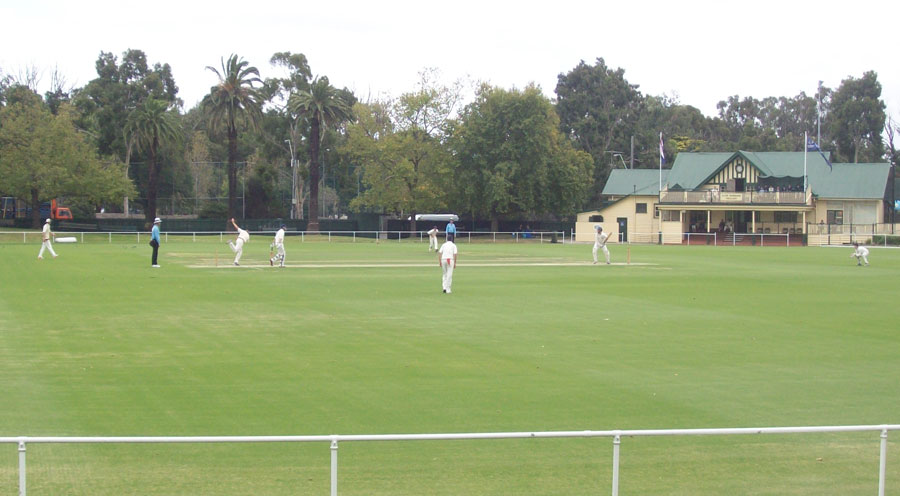
If you want to understand something, look towards the boundaries* The edges of things are interesting. IAs should be comfortable identifying that distinct boundary that marks the end of one thing and the beginning of another. We know the power of thinking about the ‘thingness’ that makes a thing the thing that it is. But…
-
Foggy finding – navigation with persistence
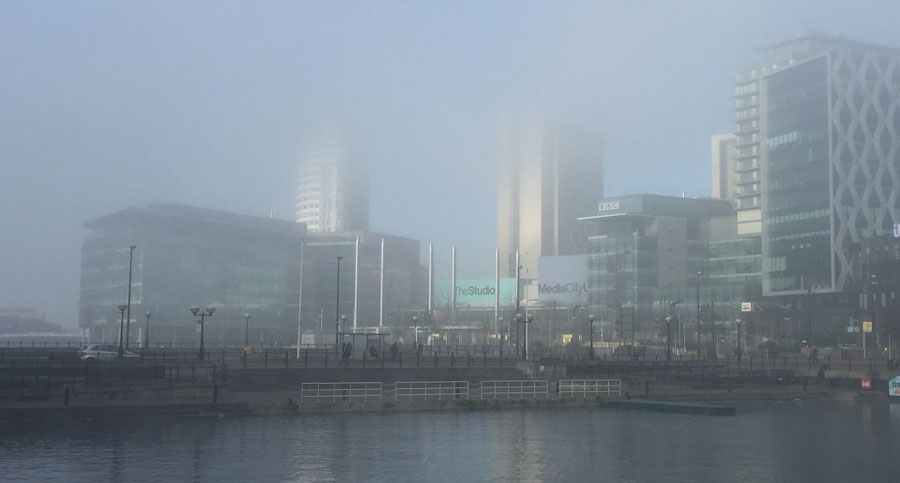
You can’t always get what you want… Information is a delicate, immaterial thing. Information-rich environments present challenges – to designers and actors navigating them. Environments intersect and overlap. Actors have different needs at different times. Information changes. Content and the spaces that contain it alter and evolve. The means to access information vary. Truth is…
-
Delightful discovery – navigating the unknown

The world is full of wonders yet to be discovered. Good navigation often results in discovery – ask John Mandeville. Sometimes we want to encourage and support an explorer mindset in our audience. We create new content, features and services. Information architects must be able to empower actors to find them. My second category focuses…
-
Motivated movement – navigation with intent
-
A model for navigation and information-seeking
Navigation is both a noun and a verb. Navigation describes the activity and behaviour of moving with intent. And, at least on the web, it’s the word we most often reach for to describe the tools that enable this movement. As an information architect I want people to be able to move through and across…